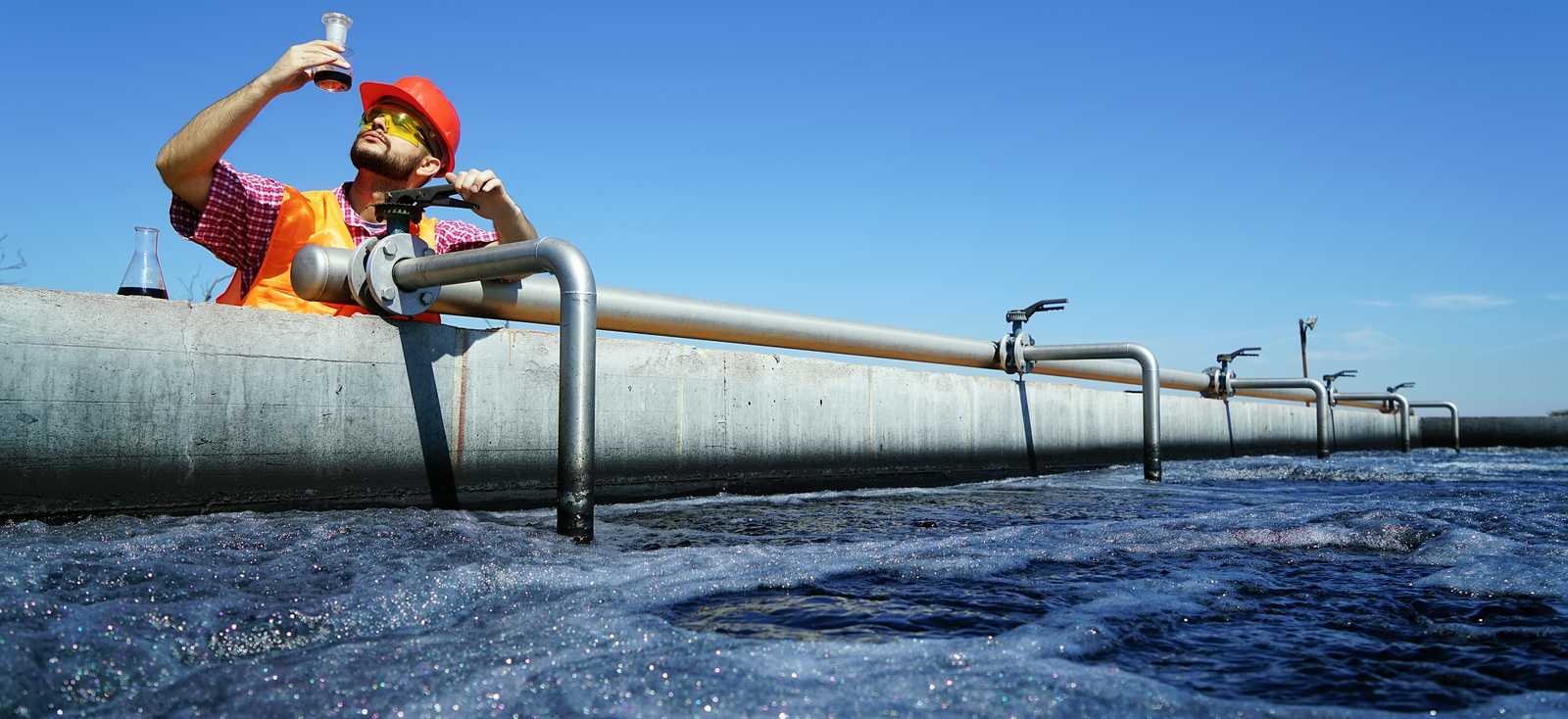
Secondary sedimentation is utilized after primary sedimentation where larger waste such as fats, oils, and uneaten food is removed. Once that’s done, the resulting water is called secondary effluent. At this stage, secondary sedimentation is used to further cleanse the water.
Major constituents in secondary wastewater are silt (solids), sand, organic matter, and chemicals. To remove these, chemical treatment processes are used to aid biological sedimentation.
A Biological Treatment
Many wastewater treatment plants use an activated sludge process (ASP) in secondary sedimentation. ASP is a biological process that speeds up the decomposition of wastes in wastewater by using an aeration process. It blows air or oxygen into raw, unsettled sewage in aeration basins to break-up the solids. This creates a biological 'soup' which digests the organic content and pollutants in the water.
Secondary sedimentation tanks use devices like scum collectors that capture waste, which is rotated in the wastewater using blowers. These tanks also use spray systems for moving scum, and pumps for draining tanks.
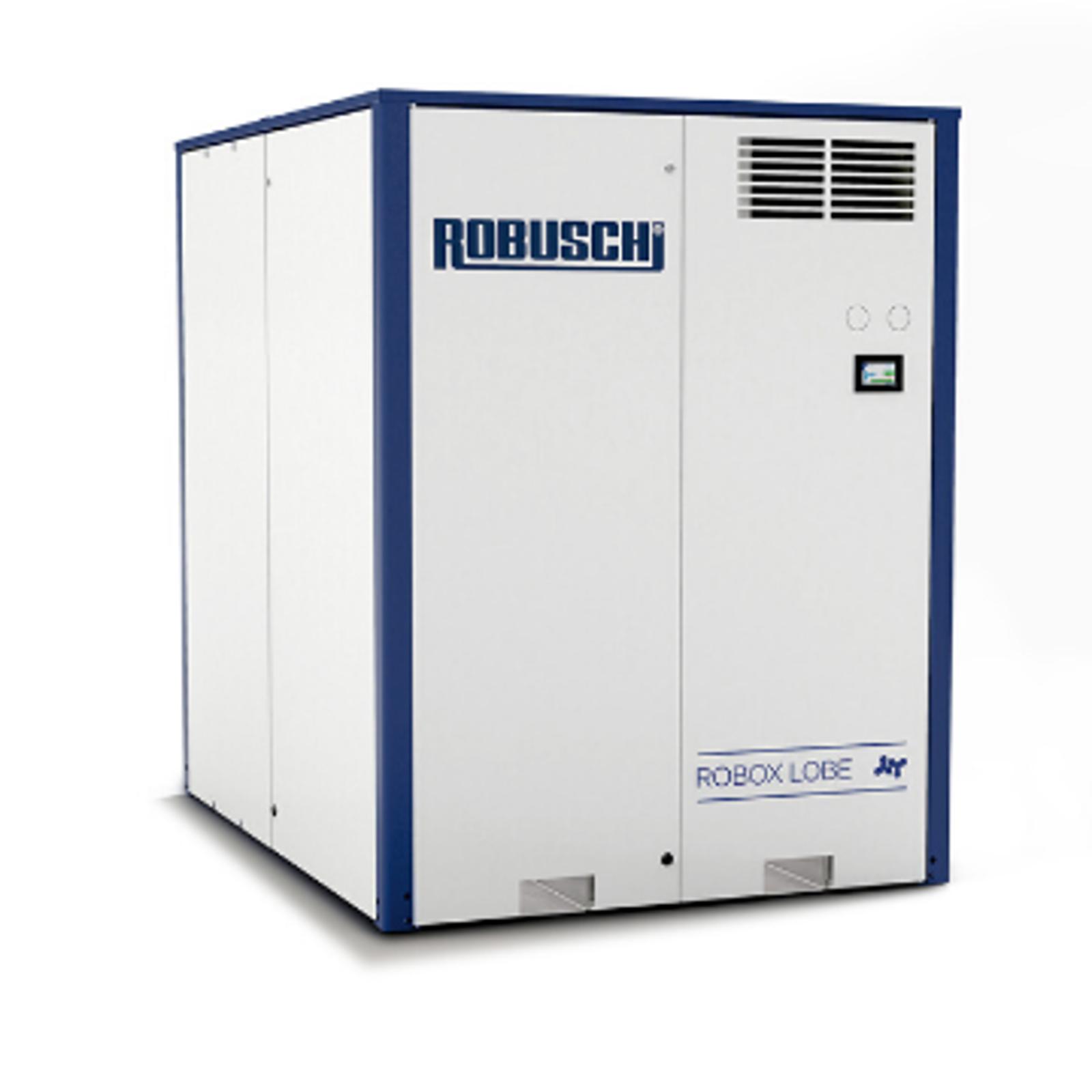
Secondary sedimentation tanks are often used to separate sewage sediment into wet and dry components for disposal. This is different from primary sedimentation tanks which separate the sewage solid particles from water. These are predominantly used during the treatment of rivers polluted by sewage as well as wastewater in a treatment plant. Sedimentation systems are also used to transport suspended solids from a wastewater treatment plant to a settling basin or sludge pond. The blowers used in wastewater treatment applications are responsible for removing these solids from the wastewater.
Like its primary cousin, secondary sedimentation also uses gravity to separate solid waste from wastewater. It also uses specialized filters to aid in the process. The solids that settle out and are collected at the bottom of the tank are pushed through filters using blowers. The clear water is then discharged from the tank.
A Source of Feedstock
In a typical secondary sedimentation process, wastewater solids settle out, combine into a sludge at the bottom. The sludge can be used in a specialized phase to organically regenerate the cleansed effluent. This can create good feedstock for land application.
Once suspended matter is settled in the tanks, the liquid lying above is recycled back to another tank for reuse. It has an optimum density for pumping out of the plant without clogging air pipes while achieving higher quality effluent.