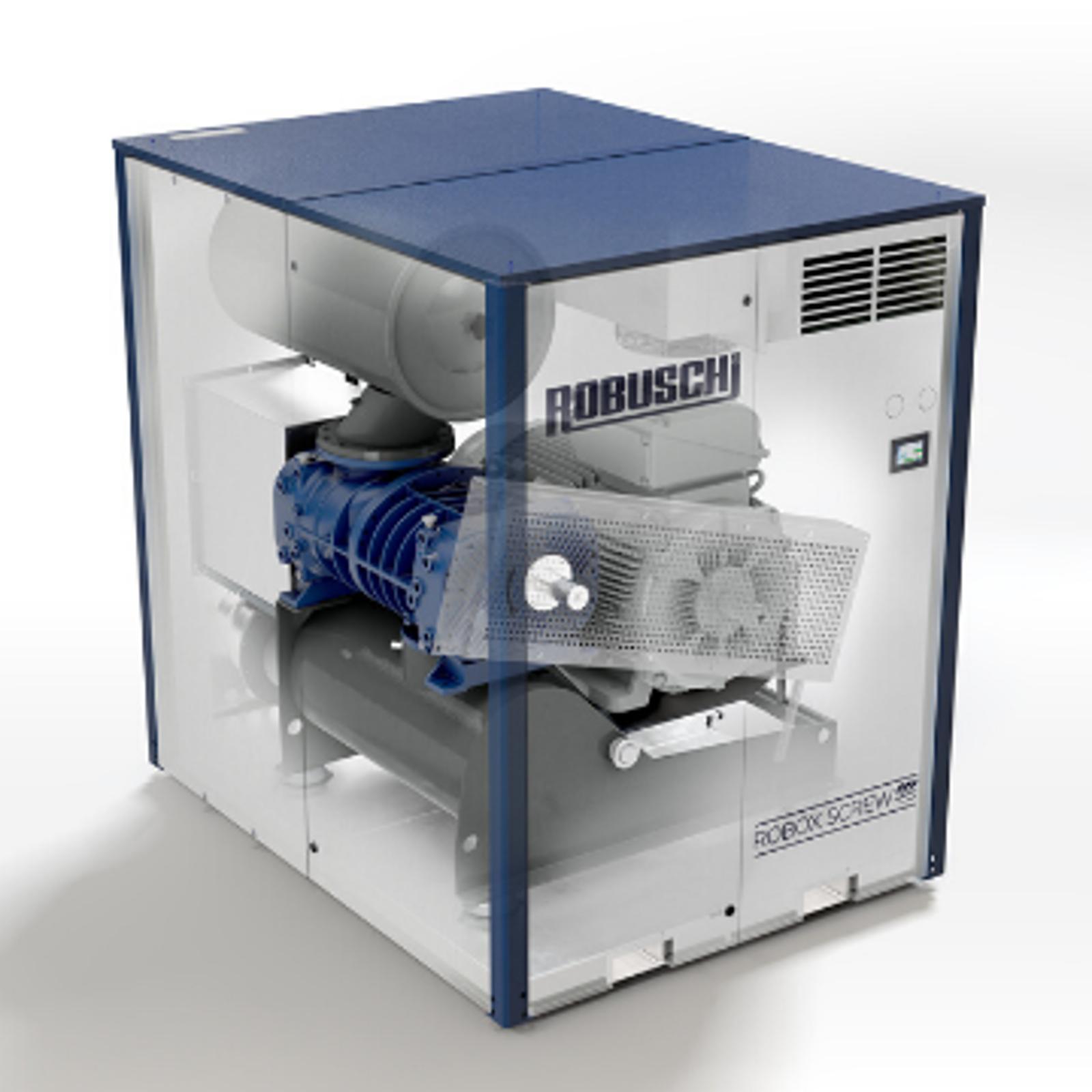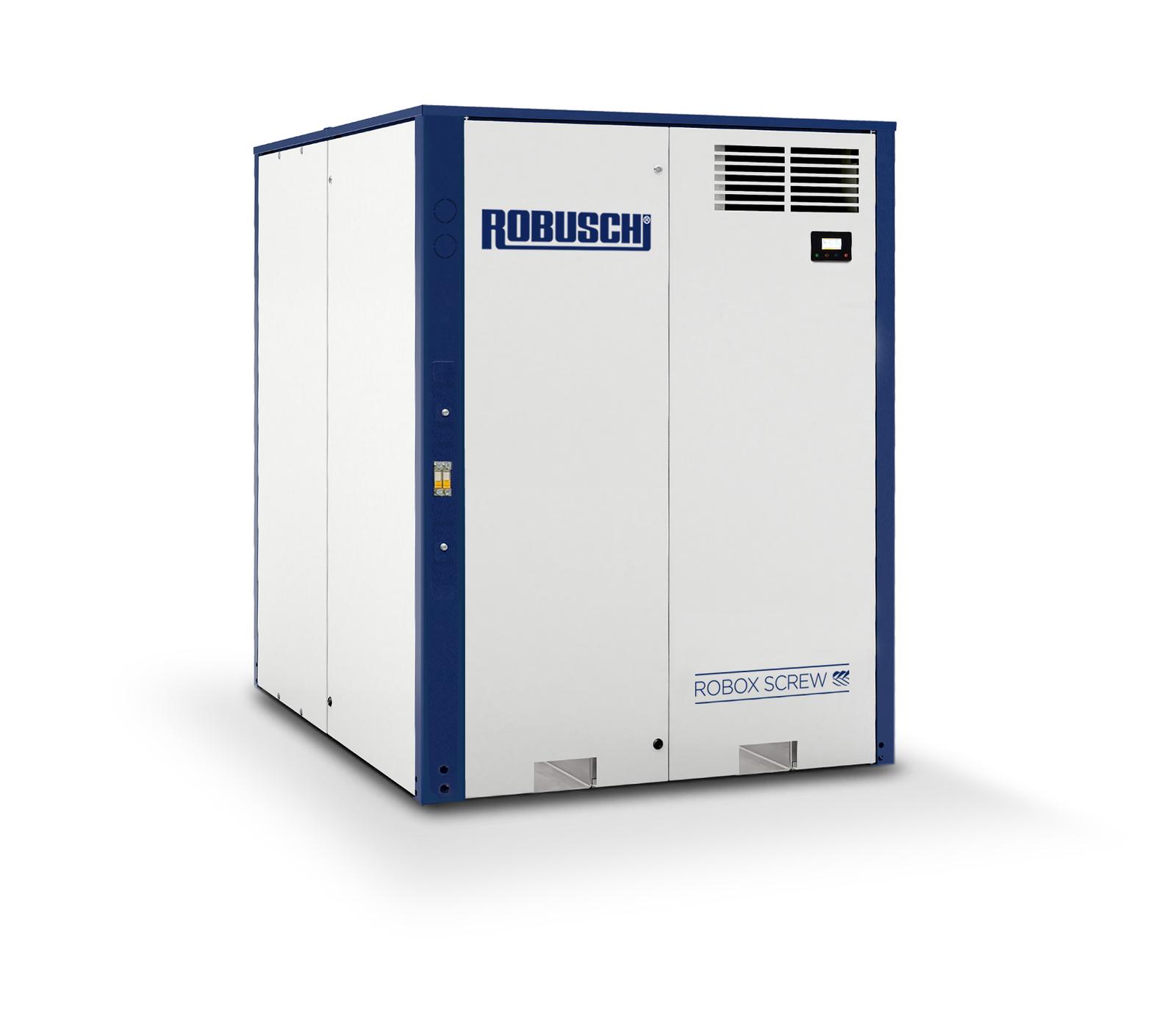
Air compression technology used in rotary screw blowers is based on one of the most basic compression principles, which is positive displacement. This allows rotary screw blowers to provide a constant air flow at a fixed speed, even when air pressure is variable, making them the right choice for many businesses. Whatever the application and industry, air compressed systems still need to meet numerous stringent requirements in a fast-growing market.
RSW – Low Pressure Screw Compressor and Screw Blower 2023
To load this content, approve your cookie preferences and allow the required cookies.